


Why Flutter Is Replacing Older App Development Frameworks
The mobile app ecosystem has evolved rapidly over the last decade. Businesses that once relied on older native and hybrid frameworks are now facing rising development costs, slower release cycles, and inconsistent user experiences across platforms. This shift has pushed decision makers to look for a modern, stable, and scalable alternative. Flutter has emerged as that alternative, redefining how applications are built and maintained.
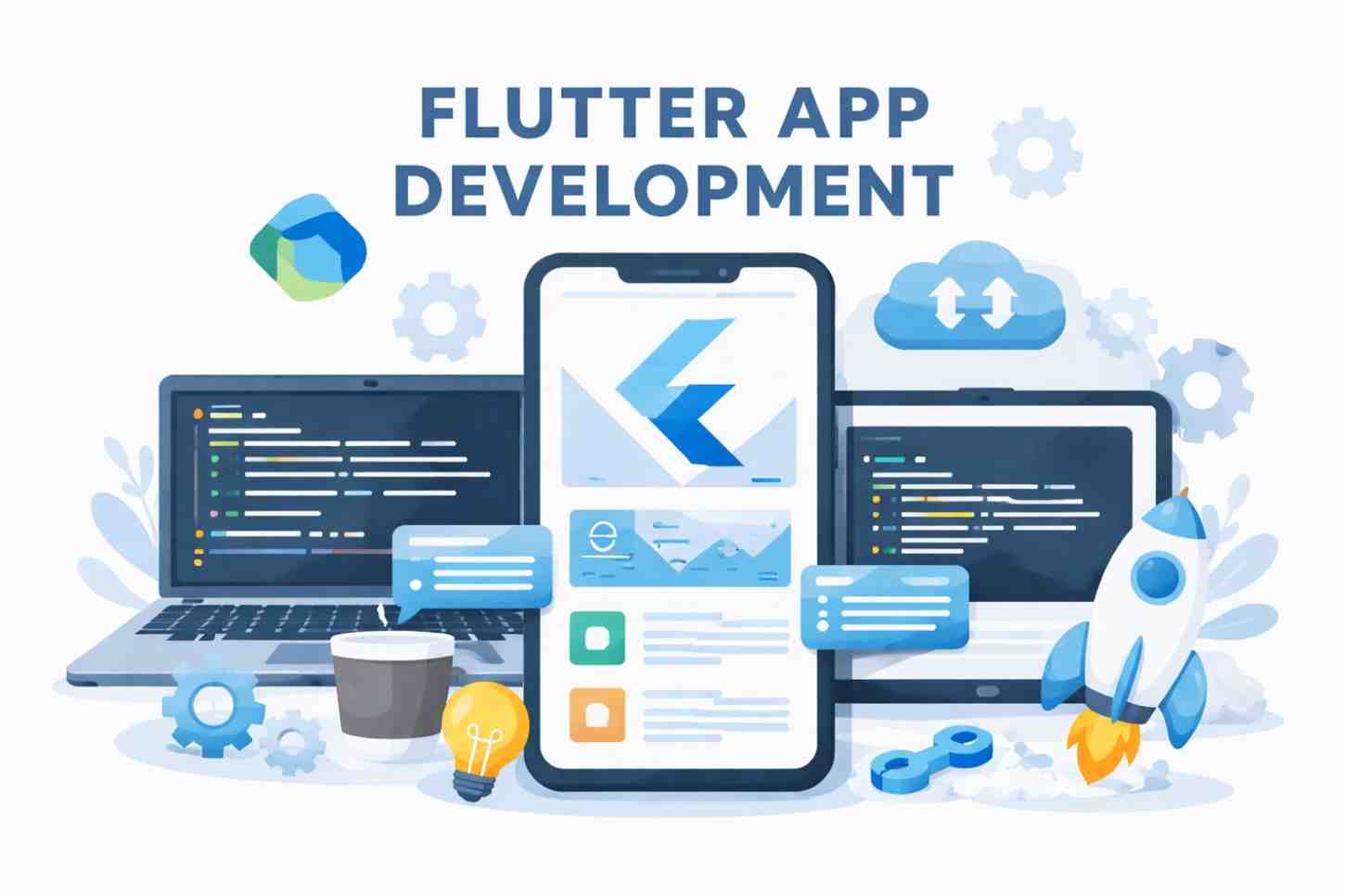
At the centre of this shift is Flutter App Development, a framework designed to solve long standing challenges that older technologies struggled to address.
Limitations of Older App Development Frameworks
Traditional native development using Java for Android and Objective-C or Swift for iOS required maintaining two separate codebases. While this approach offered strong performance, it significantly increased development time, testing effort, and long term maintenance costs.
Hybrid frameworks like Cordova, PhoneGap, and early versions of Ionic attempted to solve this problem using web technologies. However, these solutions often suffered from performance bottlenecks, limited access to native APIs, and inconsistent UI behaviour across devices. Even popular JavaScript based frameworks faced challenges when scaling applications or handling complex animations and high performance requirements.
For businesses, these limitations translated into slower time to market, higher technical debt, and difficulty adapting to evolving user expectations.
Flutter’s Architectural Advantage
Flutter introduced a fundamentally different approach. Instead of relying on platform specific UI components or web views, Flutter uses its own rendering engine. This allows it to draw UI elements directly onto the screen, ensuring consistent design and behaviour across platforms.
This architectural choice eliminates many of the compatibility issues seen in older frameworks. Developers no longer have to worry about subtle UI differences between Android and iOS. For customers, this means a uniform and polished user experience regardless of device.
From a business standpoint, Flutter App Development reduces risk by providing predictable results across platforms without sacrificing performance.
Single Codebase, Faster Delivery
One of Flutter’s strongest advantages over older solutions is its single codebase model. With Flutter, developers write one codebase that runs on Android, iOS, web, and desktop platforms.
Older frameworks promised similar benefits but often required extensive platform specific customization. Flutter delivers on this promise more effectively by offering rich native integrations and a robust plugin ecosystem.
This directly impacts project timelines. Faster development cycles mean quicker product launches and more frequent updates. For customers, this translates into faster access to new features, improved app stability, and quicker responses to market changes.
Performance That Matches Native Apps
Performance has always been a concern with cross platform frameworks. Many older solutions struggled with lag, slow animations, and delayed user interactions. Flutter addresses this issue by compiling directly to native ARM code and using a high performance rendering engine.
As a result, Flutter apps feel smooth and responsive, even for complex interfaces. This makes Flutter App Development suitable for applications that demand high performance, such as fintech platforms, e-commerce apps, and real time dashboards.
For end users, better performance improves engagement and retention. For businesses, it enhances brand credibility and customer satisfaction.
Developer Productivity and Long Term Maintenance
Flutter significantly improves developer productivity through features like hot reload, which allows developers to see changes instantly without restarting the app. Older frameworks often required full rebuilds, slowing down iteration and debugging.
In addition, Flutter’s structured widget system promotes cleaner code and better separation of concerns. This leads to more maintainable applications over time. When compared to legacy systems that accumulate technical debt quickly, Flutter offers a more sustainable development path.
Lower maintenance costs and easier onboarding of new developers make Flutter an attractive long term investment for growing organizations.
Strong Ecosystem and Community Support
Another factor where Flutter surpasses older frameworks is ecosystem maturity. Backed by Google and supported by a rapidly growing global community, Flutter benefits from continuous improvements, frequent updates, and extensive documentation.
Older frameworks often suffer from inconsistent support, deprecated plugins, or shrinking communities. Flutter’s active ecosystem reduces dependency risks and ensures access to modern tools and integrations.
This stability gives businesses confidence that their technology choice will remain viable for years to come.
Customer Centric Business Impact
From a customer perspective, Flutter enables faster innovation, consistent design, and reliable performance. From a business perspective, it reduces development costs, shortens delivery timelines, and simplifies maintenance.
Companies adopting Flutter can focus more on product strategy and user experience rather than technical limitations. This alignment between technology and business goals is what makes Flutter a strategic choice rather than just a technical upgrade.
Conclusion
As mobile applications continue to play a critical role in digital strategy, choosing the right development framework is essential. Flutter has clearly addressed the performance, scalability, and maintenance challenges that older frameworks could not fully resolve. By enabling faster delivery, consistent user experiences, and long term sustainability, Flutter App Development stands out as a future ready solution for businesses looking to build reliable and high quality digital products.