


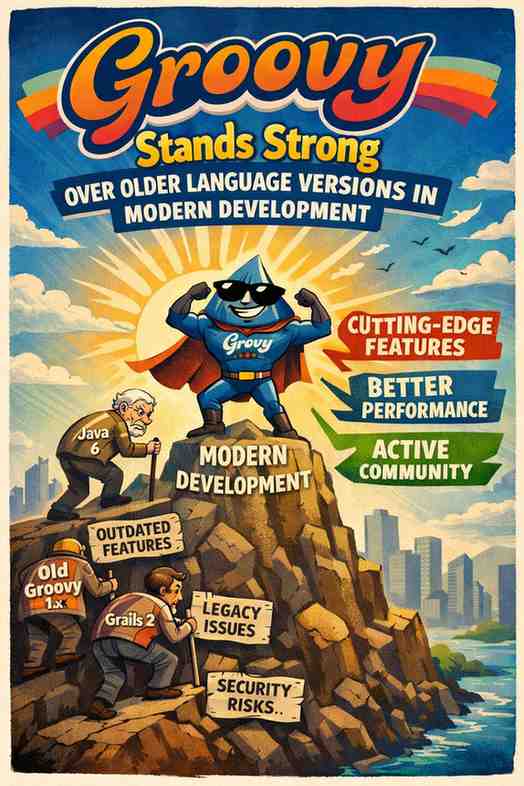


Why Haskell Is Moving Ahead of Its Old Versions in Modern Software Ecosystems
The programming world evolves quickly, but only a few languages manage to grow without losing their core strengths. Haskell is one of them. Over the years, Haskell has moved far beyond its early academic roots and has steadily improved its tooling, libraries, and real-world usability. Today, businesses and developers are revisiting Haskell not just as a theoretical language, but as a serious option for production systems, especially in Haskell in Web Development.
This article explores how modern Haskell has improved over its older versions and why these improvements matter for organizations building reliable and scalable applications.
The Evolution from Early Haskell Versions
Early versions of Haskell were powerful but difficult to adopt. While the language offered strong type safety and elegant functional concepts, it lacked practical tools for everyday development. Compilation times were slow, error messages were cryptic, and the ecosystem was limited.
Modern Haskell has addressed many of these concerns. The language standard has matured, compiler performance has improved, and backward compatibility has been carefully maintained. This balance allows teams to benefit from innovation without constantly rewriting existing systems.
For businesses, this evolution means reduced risk. Older Haskell codebases can be upgraded incrementally while still benefiting from modern language features.
Improved Tooling and Developer Experience
One of the most noticeable improvements in newer Haskell versions is the developer experience. Tools such as GHC, Stack, and Cabal have become more reliable and easier to use. Error messages are clearer, documentation is stronger, and IDE support has improved significantly.
These changes lower the learning curve for teams new to functional programming. Developers can move faster, onboard more easily, and maintain confidence in their code. This directly impacts delivery timelines and long-term maintainability, which are critical for commercial projects using Haskell in Web Development.
Stronger Type System for Real World Safety
Haskell has always been known for its type system, but modern versions make it more practical. Features such as advanced type inference, safer concurrency models, and better abstraction tools help teams catch bugs before deployment.
Compared to older versions, today’s Haskell encourages clearer domain modelling. Business rules can be encoded directly into the type system, reducing runtime errors and unexpected behaviour. For customers, this means more stable applications, fewer outages, and higher trust in digital platforms.
This is one of the reasons Haskell in Web Development is gaining attention in industries where correctness is non-negotiable, such as finance, healthcare, and logistics.
Performance and Scalability Gains
Earlier perceptions of Haskell included concerns about performance and memory usage. Modern Haskell has largely overcome these limitations. The GHC compiler produces highly optimized code, and runtime performance has improved with better garbage collection and profiling tools.
Scalability is another key improvement. Haskell’s lightweight concurrency model allows applications to handle large workloads efficiently. This makes it well suited for backend services, APIs, and data intensive systems that must scale without excessive infrastructure costs.
For organizations, this translates into predictable performance and lower operational overhead.
A Mature Web Development Ecosystem
In the past, web development was not Haskell’s strongest area. Frameworks were limited and community support was scattered. Today, the situation is very different.
Modern Haskell offers mature web frameworks, robust routing systems, and strong support for APIs and microservices. Integration with databases, authentication systems, and cloud platforms is far smoother than in older versions.
These advancements make Haskell a viable option for building secure, maintainable web applications that can evolve with business needs.
Long Term Maintainability and Cost Efficiency
One of the biggest advantages of modern Haskell over its older versions is maintainability. Haskell code tends to age well. Strong typing, clear abstractions, and functional purity make it easier to understand and modify over time.
For customers and decision makers, this means lower long-term costs. Systems require fewer emergency fixes, updates are safer to apply, and teams spend less time debugging production issues.
In a world where software longevity matters, Haskell offers a strong return on investment.
Conclusion
Haskell has grown significantly from its early versions into a modern, production ready language. Improved tooling, better performance, a mature ecosystem, and a strong focus on correctness make it an attractive choice for serious applications. For organizations seeking stability, scalability, and long-term value, Haskell in Web Development now stands as a practical and forward-looking solution rather than a niche experiment.