


Possible Vulnerabilities of Using WordPress for Your Business Websites
WordPress powers a large share of business websites today. It is flexible, easy to deploy and supported by a huge ecosystem of plugins and themes. But the same strengths that make WordPress popular also introduce security risks that growing companies cannot ignore. If your business depends on a stable online presence, it’s important to understand where vulnerabilities come from and how to manage them effectively. Many of these risks can be reduced with Customized WordPress Development, but they still deserve close attention.
1. The Open-Source Nature of WordPress
WordPress is open source. This means the code is freely available, well documented and constantly reviewed by developers. It also means attackers have access to the same code and can look for weaknesses. When a vulnerability becomes public, bots and malicious actors quickly scan the internet for websites that haven’t patched it.
Businesses often delay updates because they worry about breaking something on a live site. That delay creates a window for attacks. A professional team using Customized WordPress Development can help ensure updates are tested and deployed safely, which reduces exposure without harming performance.
2. Excessive Use of Plugins
Plugins make WordPress powerful, but they’re also one of the most common attack points. A typical business website uses 15 to 40 plugins. Each one adds a new layer of code that can carry bugs, outdated functions or hidden security flaws. Some plugin developers abandon their projects, leaving known vulnerabilities unfixed. Others may not follow secure coding standards.
Attackers target popular plugins because compromising one plugin can expose millions of websites. Businesses that install plugins without checking the developer reputation or support cycle put their websites at risk. A curated and optimized setup developed through Customized WordPress Development helps reduce plugin dependency and ensures that only high-quality, secure plugins remain part of your system.
3. Vulnerable Themes and Templates
Themes shape the look and feel of a WordPress site. Many free and low-cost themes are poorly coded. They include outdated libraries, insecure JavaScript, or unnecessary features that increase the attack surface. Some themes come bundled with plugins you may never use, but they still run in the background and create vulnerabilities.
Premium themes can also be problematic if they are purchased once and never updated. When businesses modify themes manually, they sometimes break update compatibility, which forces them to postpone necessary security patches. Custom theme development or child-theme implementation by a skilled team is the best way to keep branding unique without sacrificing security.
4. Weak Authentication Practices
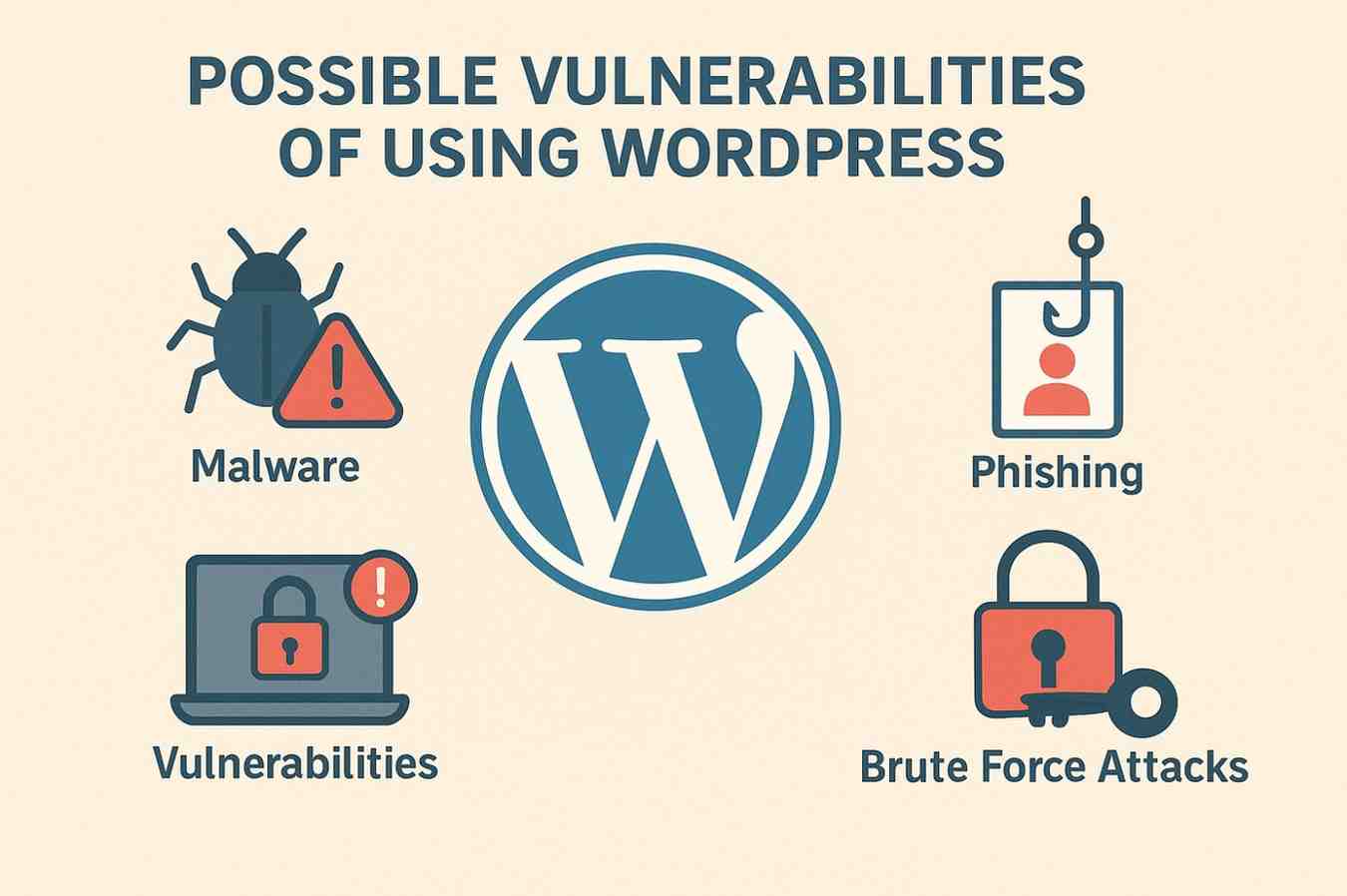
WordPress login pages are a popular target for brute-force attacks. Automated scripts try thousands of username-password combinations to gain entry. If your users rely on weak passwords, admin accounts can be compromised quickly.
Other issues include:
- Default login URLs
- Lack of multi-factor authentication
- Shared or reused admin credentials
- Unrestricted login attempts
These may sound basic, but many breaches trace back to simple authentication mistakes. Businesses should enforce strong password policies, hide default login paths and use MFA. Tools and custom workflows can help, especially when managed by a dedicated development team.
5. Outdated Core Installations
WordPress releases frequent updates that include security improvements. When companies delay installing these updates, vulnerabilities accumulate. Sites running older versions of PHP face even bigger risks because outdated PHP versions no longer receive security fixes.
Small businesses often rely on shared hosting environments where updating PHP or server modules isn’t immediately possible. Without timely updates, even minor threats can escalate into major breaches. Using staging environments and automated update testing helps reduce the risk of breaking your site while staying secure.
6. Exposure Through Shared Hosting
To save costs, many businesses host their WordPress sites on shared servers. While this keeps expenses low, it introduces security challenges. If one website on the shared server is compromised, attackers may gain access to other sites hosted on the same machine.
Shared hosting also limits control over file permissions, server configurations and firewall settings. Higher-tier hosting or managed WordPress hosting significantly reduces vulnerability and gives businesses the security transparency they need.
7. Lack of Regular Security Audits
WordPress installations change over time. New pages, plugins, user accounts and integrations all affect security. But many companies build a site once and rarely conduct audits. This creates blind spots. Files may be infected without noticeable symptoms, or malicious scripts may lie dormant.
Security audits help uncover:
- File system changes
- Suspicious login activity
- Outdated plugins or themes
- Malware injections
- Database anomalies
Routine security audits and monitoring tools allow businesses to detect issues early instead of reacting when damage is already done.
8. Human Errors and Poor Maintenance
Not all vulnerabilities come from software. Human mistakes remain one of the biggest risks. Examples include:
- Granting admin access to users who don’t need it
- Installing plugins from unverified sources
- Ignoring backup practices
- Uploading infected files
Training, documentation and structured workflows help reduce these errors. A proper development and maintenance approach keeps your website protected long term.
Conclusion
WordPress is a strong platform for business websites, but it needs disciplined management to stay secure. Most vulnerabilities come from outdated components, poor maintenance routines and unmanaged plugin ecosystems. With the right processes, hosting environment and regular audits, you can use WordPress safely and reliably. Investing in Customized WordPress Development ensures your site is optimized, secured and tailored for long-term growth.