




MySQL Over the Old Versions: Why It Still Matters in Modern Development
In the fast-moving world of databases, many teams assume that older technologies automatically lose relevance. MySQL proves otherwise. Even as newer database engines and cloud native solutions gain attention, MySQL continues to power millions of applications worldwide. When comparing modern MySQL releases with older versions, the evolution clearly shows why MySQL remains a practical and reliable choice for scalable software systems and why MySQL in App Development is still in strong demand.
Understanding the Evolution of MySQL
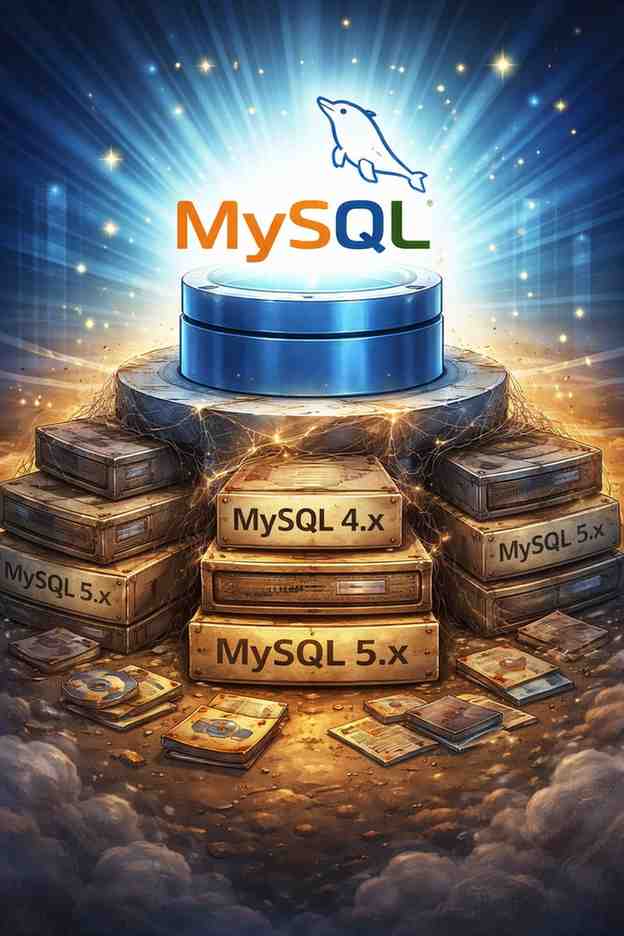
Earlier versions of MySQL were designed primarily for speed and simplicity. They worked well for basic read heavy applications but lacked advanced transactional support, strong security controls, and performance optimization tools. Over time, MySQL has undergone major architectural improvements without sacrificing its core strengths.
Modern MySQL versions build upon the stability of older releases while introducing features that directly address today’s application needs. This evolution allows businesses to upgrade confidently rather than rewrite systems from scratch.
Performance Improvements Over Old Versions
One of the most noticeable differences between older and newer MySQL versions is performance optimization. Early MySQL versions struggled with high concurrency and complex queries. Modern releases introduce smarter query planners, improved indexing strategies, and better memory utilization.
These enhancements directly benefit MySQL in App Development by reducing response times and improving application scalability. For customer facing applications, faster queries translate into smoother user experiences and higher engagement.
Stronger Security and Compliance
Security was once a weak point in older MySQL versions. Basic authentication methods and limited encryption options made systems more vulnerable. Today, MySQL offers robust security features such as role-based access control, improved password policies, encrypted connections, and better audit logging.
For businesses handling sensitive customer data, these improvements are critical. Modern MySQL allows development teams to meet compliance requirements without relying heavily on external security layers. This makes MySQL in App Development a safer choice for industries like finance, healthcare, and e commerce.
Advanced Storage Engines and Reliability
Older MySQL versions relied heavily on My ISAM, which lacked transactional support and crash recovery. The introduction and maturation of Inno DB changed everything. Inno DB now serves as the default storage engine, offering ACID compliance, row level locking, and automatic recovery.
This shift significantly improves reliability. Applications built on newer MySQL versions experience fewer data corruption issues and better uptime. For customers, this means higher trust in the systems they interact with daily.
Scalability for Modern Applications
Scalability was once a challenge for MySQL, especially in distributed environments. Modern versions address this through replication improvements, clustering options, and better support for horizontal scaling.
These capabilities allow businesses to start small and grow without changing their database foundation. From startups to enterprise platforms, modern MySQL supports evolving traffic demands while keeping operational complexity manageable.
Developer Productivity and Ecosystem Support
Another advantage over older versions is the enhanced developer experience. Modern MySQL offers better tooling, improved error handling, and deeper integration with popular frameworks and cloud platforms.
This matters because development speed directly impacts time to market. Teams working on modern MySQL in App Development projects benefit from a mature ecosystem, extensive documentation, and long-term community support. This reduces development risk and lowers maintenance costs over time.
Cost Efficiency and Long-Term Value
Unlike many newer database solutions that introduce licensing complexity or high operational costs, MySQL maintains a strong balance between open-source flexibility and enterprise grade features. Businesses upgrading from older versions often see performance and security gains without a proportional increase in cost.
For customers, this translates into stable pricing, predictable scaling, and long-term value. MySQL allows organizations to focus on delivering features instead of constantly re-evaluating their database stack.
Conclusion
MySQL’s journey from its older versions to today’s modern releases highlights a rare balance of stability, performance, and continuous improvement. Instead of becoming obsolete, MySQL has adapted to modern development demands while preserving backward compatibility and operational simplicity. For businesses seeking a proven, secure, and scalable database foundation, MySQL in App Development remains a smart and future ready choice.