


PostgreSQL Over the Old Versions: Why Modern Businesses Are Moving Forward
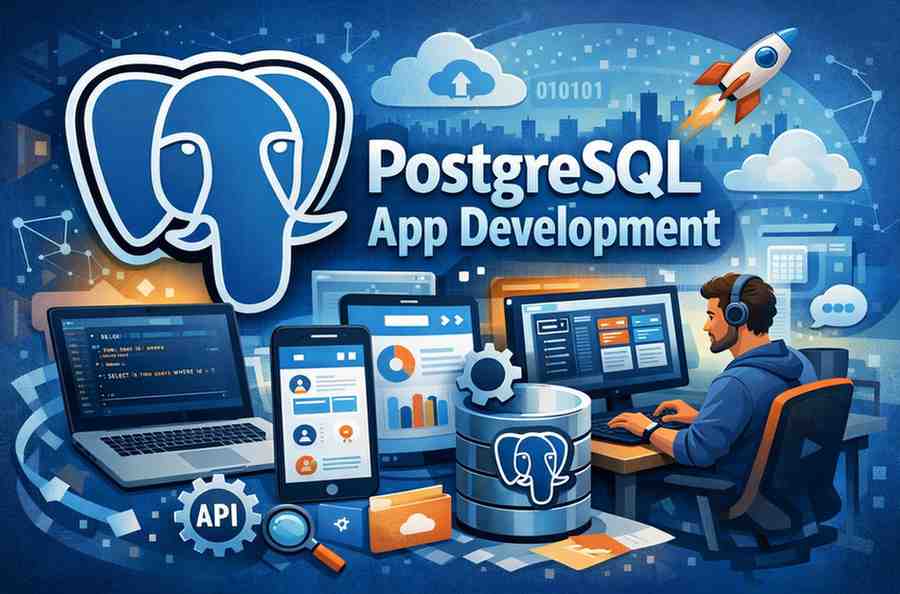
Database technology has evolved rapidly over the past decade. Businesses today expect more than basic data storage. They need performance, reliability, scalability, and long-term flexibility. This shift has pushed many organizations to rethink legacy database versions and adopt modern PostgreSQL releases. For companies planning serious PostgreSQL in App Development, understanding why newer PostgreSQL versions outperform older ones is critical to making the right technical and business decisions.
The Limitations of Older PostgreSQL Versions
Older PostgreSQL versions were reliable for their time, but they were built for a very different application landscape. Monolithic systems, low concurrency, and limited real time processing were common. As applications grew more complex, these versions began to show constraints.
Performance tuning required manual effort. Indexing options were limited. Query planners were less intelligent, leading to slower execution for complex joins and large datasets. Security features were also basic, making compliance and data protection harder for regulated industries.
For modern businesses, these limitations translate into higher maintenance costs, slower development cycles, and reduced user satisfaction. This is where newer PostgreSQL versions deliver clear advantages.
Performance Improvements in Modern PostgreSQL
One of the strongest reasons to move away from old versions is performance. Newer PostgreSQL releases include significant enhancements to query planning, parallel processing, and indexing.
Parallel query execution allows PostgreSQL to utilize multiple CPU cores efficiently. This drastically reduces response time for analytics heavy workloads. Improvements in vacuuming and auto maintenance reduce table bloat and keep databases responsive without constant manual intervention.
For organizations focused on PostgreSQL in App Development, these improvements mean faster applications, smoother user experiences, and lower infrastructure costs over time.
Advanced Indexing and Data Handling
Modern PostgreSQL versions support advanced indexing methods such as BRIN, GIN, and GIST. These are particularly useful for large datasets, geospatial data, and full text search. Older versions either lacked these options or implemented them in a limited form.
JSON and JSONB support are another game changer. While older versions offered basic JSON handling, modern PostgreSQL treats semi structured data as a first-class citizen. This allows developers to build flexible data models without sacrificing performance.
This capability is especially valuable for startups and enterprises building evolving products where data structures change frequently.
Security and Compliance Enhancements
Security expectations have changed significantly. Newer PostgreSQL versions include stronger authentication mechanisms, improved role management, and better encryption support.
Features such as row level security allow businesses to control data access at a granular level directly within the database. This reduces application complexity and minimizes the risk of data leaks.
For customer facing platforms, these improvements help build trust while simplifying compliance with regulations like GDPR and industry specific standards.
Developer Productivity and Ecosystem Growth
Modern PostgreSQL releases are designed with developers in mind. Improved error messages, better monitoring views, and enhanced tooling make development and debugging faster.
Extensions such as Post GIS, Timescale DB, and logical replication tools are more stable and powerful on newer versions. This rich ecosystem enables teams to add advanced functionality without reinventing the wheel.
When teams invest in PostgreSQL in App Development, they benefit from faster release cycles, easier maintenance, and long-term scalability.
High Availability and Scalability
Older PostgreSQL versions required complex setups for replication and failover. Modern versions offer built in logical replication, improved streaming replication, and better integration with cloud platforms.
This makes it easier to design systems that scale horizontally and recover quickly from failures. Businesses running mission critical applications gain higher uptime and predictable performance even during peak loads.
For growing companies, this flexibility supports expansion without major architectural rewrites.
Cost Efficiency and Long-Term Value
PostgreSQL remains open source, but newer versions deliver better return on investment. Improved performance reduces hardware requirements. Automation features reduce administrative overhead. Enhanced stability lowers the risk of downtime.
Instead of spending time and money maintaining outdated systems, businesses can focus on innovation and customer experience. This strategic advantage becomes more pronounced as applications grow in complexity.
Conclusion
Choosing modern PostgreSQL over older versions is not just a technical upgrade, it is a business decision. Enhanced performance, security, scalability, and developer productivity directly impact customer satisfaction and operational efficiency. For organizations investing in PostgreSQL in App Development, upgrading to newer PostgreSQL versions ensures a future ready foundation that supports growth, innovation, and long-term success.