Dockerfile Over the Old Versions: Why Modern Web Development Demands It Web development has evolved rapidly over the last decade. Applications are no longer simple monoliths running on a single server. They are distributed, cloud native, and expected to scale instantly. In this shift, containerization has become a foundation, and the Dockerfile has replaced older deployment approaches that once dominated web projects. Understanding why Dockerfile matters today helps businesses build faster, safer, and more predictable web systems. The Limitations of Older Deployment Approaches Traditional deployment methods relied heavily on manual server setup, virtual machines, and environment specific configurations. Teams maintained separate servers for development, testing, and production. Even small differences between environments often caused bugs that appeared only after release. Older container versions and legacy build scripts also suffered from poor reproducibility. Builds depended on local machine states, undocumented dependencies, and manual steps. Scaling applications meant cloning entire virtual machines, which was slow and resource intensive. For customer facing platforms, this translated into longer release cycles, downtime risks, and higher infrastructure costs. What Makes Dockerfile a Modern Standard A Dockerfile is a simple text-based blueprint that defines how an application environment is built. Instead of configuring servers manually, developers describe everything in code. This shift has changed how web development teams operate. In Docker file system in Web Development, the focus is on consistency and automation. Every environment, from a developer laptop to a production server, runs the same container image. This removes guesswork and dramatically reduces deployment errors. Dockerfile also enables version control for infrastructure. Changes to system libraries, runtime versions, or dependencies are tracked just like application code. This transparency is something older systems simply could not offer. Performance and Resource Efficiency Gains Older virtual machine-based systems package entire operating systems for each application. This approach consumes significant memory and storage. Docker containers, defined through Dockerfiles, share the host operating system while remaining isolated. For web applications, this means faster startup times and better server utilization. Businesses can host more applications on fewer servers without sacrificing performance. Faster container startup also supports modern practices like auto scaling, where instances spin up and shut down based on traffic demand. Faster Development and Release Cycles Speed matters in competitive digital markets. Dockerfile driven workflows shorten development cycles by eliminating environment related delays. New developers can start working by running a single command instead of spending days configuring machines. From a customer perspective, this speed translates into quicker feature releases and faster bug fixes. Docker file system in Web Development supports continuous integration and continuous deployment pipelines, making frequent and reliable releases possible. Older deployment models often required scheduled downtime and manual approvals. Docker based systems automate these steps, reducing risk while increasing delivery speed. Security and Stability Advantages Security is a major concern for modern web platforms. Dockerfile allows teams to define minimal base images that include only what the application needs. Fewer components mean a smaller attack surface. Updates are also easier to manage. When a vulnerability is discovered, teams update the Dockerfile and rebuild the image. There is no need to patch servers individually. This approach is far more controlled than legacy systems where inconsistencies across servers were common. For customers, this results in more stable platforms with fewer security incidents and less unexpected downtime. Scalability for Modern Web Architectures Microservices, APIs, and event driven systems require flexible deployment models. Dockerfile supports these architectures naturally. Each service can have its own container, built and deployed independently. Older systems struggled with this level of modularity. Scaling often required scaling the entire application stack, even if only one component needed more resources. With Dockerfile based deployments, scaling is precise and cost effective. This scalability is a key reason why Docker file system in Web Development has become essential for SaaS platforms, e commerce systems, and high traffic web applications. Business Value for Customers From a business standpoint, Dockerfile adoption directly impacts cost, reliability, and user satisfaction. Reduced infrastructure waste lowers hosting expenses. Faster deployments mean quicker time to market. Improved stability leads to better customer trust. Companies using Dockerfile driven workflows can adapt faster to market changes. Whether launching a new feature or handling sudden traffic spikes, they remain prepared. Older deployment approaches simply cannot match this level of agility. Conclusion Dockerfile has moved web development beyond the limitations of older deployment versions by delivering consistency, efficiency, security, and scalability in a single approach. For modern digital businesses, adopting Docker file system in Web Development is no longer a technical preference but a strategic necessity that supports growth, reliability, and long-term customer value.

Category: Blog
Blog
Why Groovy Stands Strong Over Older Language Versions in Modern Development
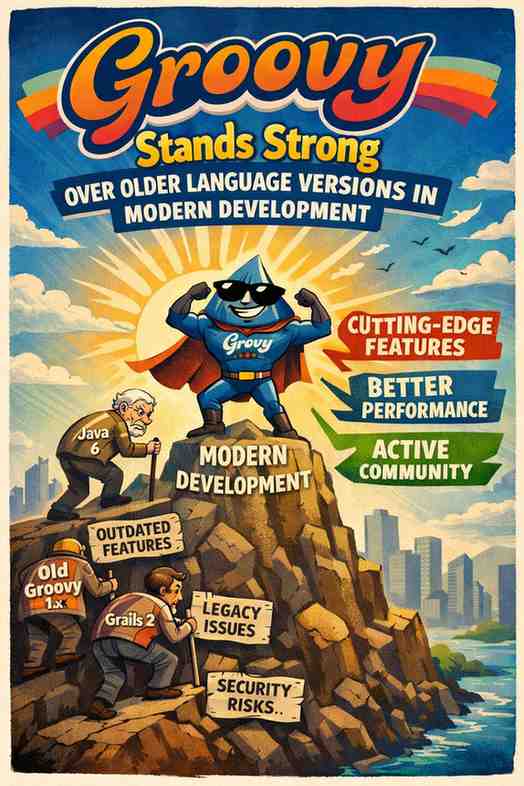
Why Groovy Stands Strong Over Older Language Versions in Modern Development In the fast-moving world of software engineering, languages that adapt survive. Those that do not slowly fade into maintenance mode. Groovy is one such language that has consistently evolved while many older versions of traditional languages have struggled to keep pace. Built on the Java Virtual Machine, Groovy combines the reliability of Java with the flexibility modern development demands. For businesses and developers alike, Groovy in Web Development offers a practical upgrade path rather than a risky rewrite. This article explores why Groovy has outperformed older language versions and why it continues to be a smart choice for web and enterprise applications. The Limitations of Older Language Versions Older versions of popular programming languages were designed for a different era. They assumed long release cycles, monolithic architectures, and limited integration needs. As web applications grew more dynamic, these assumptions began to break. Some common challenges include verbose syntax, slower development cycles, limited support for modern frameworks, and rigid type systems. These issues increase development costs and slow down time to market. For customers, this often translates into delayed features, higher maintenance expenses, and reduced scalability. Groovy directly addresses these pain points without forcing teams to abandon existing Java investments. Groovy’s Modern Syntax Advantage One of Groovy’s most immediate benefits is its clean and expressive syntax. Compared to older versions of Java or similar languages, Groovy removes unnecessary boilerplate code. Tasks that once required dozens of lines can now be done in a few readable statements. This simplicity reduces development time and minimizes bugs caused by repetitive code. Teams adopting Groovy in Web Development often report faster onboarding for new developers and improved collaboration between backend and frontend teams. From a customer perspective, faster development means quicker feature releases and better responsiveness to changing requirements. Seamless Java Compatibility Unlike many modern languages that require full migration, Groovy works seamlessly with existing Java codebases. This backward compatibility is a major reason it outperforms older language versions that lack flexibility. Developers can gradually introduce Groovy into legacy systems without disrupting operations. Existing Java libraries, frameworks, and tools continue to work as expected. This lowers risk and protects previous investments. For businesses maintaining large applications, Groovy in Web Development provides modernization without the cost and uncertainty of a full rewrite. Strong Support for Modern Frameworks Older language versions often struggle to integrate with modern frameworks. Groovy, on the other hand, thrives in contemporary ecosystems. It powers frameworks like Grails, integrates smoothly with Spring Boot, and plays a key role in build tools such as Gradle. This ecosystem enables rapid prototyping, RESTful API development, microservices architecture, and cloud native deployments. Features like closures, dynamic typing, and DSL support make Groovy ideal for configuration heavy and automation driven environments. By choosing Groovy in Web Development, customers gain access to tools that accelerate delivery while maintaining enterprise grade reliability. Productivity and Cost Efficiency Groovy’s flexibility leads directly to higher developer productivity. Dynamic typing and scripting capabilities allow teams to test ideas quickly and iterate faster than with older, rigid languages. This productivity advantage translates into lower development costs. Fewer lines of code mean fewer bugs, easier testing, and simpler maintenance. Over the lifetime of an application, these savings become significant. For startups and enterprises alike, Groovy offers a balance between speed and stability that older language versions fail to deliver. Better Testing and Automation Testing frameworks written in Groovy, such as Spock, have transformed how teams approach quality assurance. Compared to older testing tools, Groovy based testing is more readable, expressive, and maintainable. Automation scripts written in Groovy are easier to modify and extend, making continuous integration and delivery pipelines more efficient. This results in more reliable releases and reduced downtime for end users. Customers benefit from more stable applications and faster resolution of issues. Future Proofing Your Applications Technology decisions should not only solve today’s problems but also prepare for tomorrow. Groovy continues to evolve alongside the JVM, incorporating modern language features while maintaining compatibility. Unlike older language versions that are nearing end of life or receiving minimal updates, Groovy remains actively maintained and widely adopted. Its adaptability ensures that applications built today will remain relevant and scalable in the future. Conclusion Groovy succeeds where older language versions fall short by combining modern syntax, enterprise compatibility, and rapid development capabilities. It reduces risk, lowers costs, and accelerates innovation without sacrificing reliability. For organizations looking to modernize without disruption, Groovy in Web Development offers a proven, customer focused solution that aligns technology with real business outcomes.
Why Markdown Is Winning Over Older Content Formats

Why Markdown Is Winning Over Older Content Formats The way we write for the web has changed dramatically over the last two decades. Early websites relied heavily on raw HTML, bulky WYSIWYG editors, and complex content management systems that often-slowed teams down instead of helping them move faster. As businesses demand speed, consistency, and collaboration, simpler tools have gained ground. One of the most effective of these is Markdown. Today, Markdown in Web Development has become a preferred choice for developers, technical writers, startups, and product teams looking for clarity without sacrificing control. The Problem with Older Content Formats Traditional content formats were designed at a time when the web was less dynamic. Writing directly in HTML required deep technical knowledge, even for simple formatting tasks. Non-technical contributors often depended on developers for minor updates, creating bottlenecks. WYSIWYG editors tried to solve this problem but introduced new ones. Hidden formatting, bloated code, inconsistent styling, and poor version control made long term maintenance difficult. Content that looked fine in the editor often behaved differently in production. For growing businesses, these limitations translated into higher costs, slower publishing cycles, and increased frustration across teams. What Makes Markdown Different Markdown was created to be readable in plain text while still converting cleanly into HTML or other formats. Its syntax is intentionally simple. Headings, lists, links, and emphasis are easy to write and easy to understand, even without rendering. This simplicity is exactly why Markdown in Web Development has seen rapid adoption. Teams can focus on content rather than formatting, and the output remains consistent across platforms. Markdown files are lightweight, portable, and future proof. They work just as well in a code editor as they do in modern CMS platforms and static site generators. Better Collaboration Across Teams One of the biggest advantages Markdown has over older formats is collaboration. Because Markdown is plain text, it integrates seamlessly with version control systems like Git. Multiple contributors can work on the same document, track changes, and resolve conflicts efficiently. This is a major improvement over binary file formats or editor generated HTML, where tracking meaningful changes is difficult. For distributed teams, this clarity reduces errors and speeds up reviews. From a customer perspective, this means faster updates, clearer documentation, and more reliable content delivery. Performance and Maintainability Benefits Older content systems often produce heavy, unnecessary markup that impacts performance. Markdown avoids this by generating clean, minimal HTML. Faster page loads improve user experience and contribute to better search engine performance. Maintenance is also simpler. Markdown content is not tied to a specific platform or vendor. If a business decides to migrate to a new framework or CMS, Markdown files move with minimal friction. This flexibility is one of the reasons Markdown in Web Development is widely used in modern documentation platforms, developer portals, and content driven products. A Better Experience for Developers and Writers Markdown creates a shared language between developers and content creators. Writers can work without worrying about breaking layouts, while developers can rely on predictable, structured input. This balance reduces back and forth communication and shortens production cycles. For startups and fast-moving teams, the ability to publish confidently without complex tooling is a real competitive advantage. Customers benefit indirectly through clearer documentation, faster feature announcements, and more consistent messaging. SEO and Content Consistency Search engines Favor clean, semantic HTML. Markdown based workflows make it easier to enforce consistent heading structures, link usage, and content hierarchy. This consistency supports better indexing and readability. Unlike older editors that introduce unnecessary tags and inline styles, Markdown encourages discipline. The result is content that is easier to optimize, audit, and scale over time. For businesses investing in long term digital growth, this structure translates into better visibility and stronger brand credibility. When Older Formats Still Make Sense It is important to note that older content formats are not entirely obsolete. Highly visual, design heavy pages may still require advanced editors or custom HTML. However, for documentation, blogs, knowledge bases, and product content, Markdown offers a cleaner and more efficient foundation. Many modern platforms now combine Markdown with visual previews, giving teams the best of both worlds without the drawbacks of legacy systems. Conclusion Markdown is not just a writing tool; it is a workflow improvement. By removing unnecessary complexity, it empowers teams to create, manage, and scale content with confidence. As web projects continue to prioritize speed, collaboration, and maintainability, Markdown in Web Development stands out as a practical and future ready choice over older content formats.
Why JSON Replaced Older Data Formats in Modern Applications
Why JSON Replaced Older Data Formats in Modern Applications Data exchange is at the core of every digital product. Whether it is a website fetching content, a mobile app syncing user activity, or a cloud platform integrating third party services, the way data moves matters. Over the years, several data formats have existed to solve this problem, including XML, CSV, and proprietary binary formats. Today, JSON has become the clear standard. This shift did not happen by accident. It happened because JSON solved real problems that older formats struggled with. This article explains why JSON became dominant, how it compares with older data formats, and why it is essential in JSON in Web Development today. The Limitations of Older Data Formats Before JSON became mainstream, XML was the most commonly used format for structured data exchange. While XML was powerful and flexible, it came with significant drawbacks. XML is verbose. Simple data structures required a large amount of markup, increasing file size and slowing down transmission. Parsing XML also demanded more processing power, which mattered even more when web applications were accessed on slower networks and limited devices. CSV files were lightweight and easy to read but lacked structure. They worked well for flat data but struggled with nested objects, relationships, and complex data models. Binary formats were efficient but hard to debug, not human readable, and often locked developers into specific platforms. As applications grew more interactive and data driven, these limitations became bottlenecks rather than features. JSON and Its Core Advantages JSON, or JavaScript Object Notation, introduced a simpler way to represent structured data. Its syntax is minimal, readable, and closely aligned with data objects used in programming languages. One of the biggest advantages of JSON is readability. Developers and non technical stakeholders can look at a JSON file and immediately understand its structure. This improves debugging, collaboration, and maintenance. JSON is also lightweight. Compared to XML, it reduces payload size significantly, leading to faster network responses and better performance. In an era where speed directly impacts user experience and business outcomes, this advantage is critical. Another key strength is native compatibility with JavaScript. Since browsers run JavaScript, JSON fits naturally into front end workflows. This seamless fit accelerated adoption across web platforms and APIs, making JSON in Web Development the default choice. JSON vs XML: A Practical Comparison When comparing JSON and XML side by side, the difference is clear. A simple object in XML requires opening and closing tags, attributes, and namespaces. The same object in JSON uses a clean key value structure. From a performance standpoint, JSON parsing is faster and less resource intensive. This matters for high traffic websites, mobile apps, and microservices that process thousands of requests per second. From a development perspective, JSON reduces boilerplate code. Fewer lines of configuration and transformation mean faster development cycles and lower maintenance costs. For businesses, this translates directly into quicker launches and easier scaling. These practical advantages explain why APIs, SaaS platforms, and cloud services overwhelmingly rely on JSON in Web Development today. Customer Impact and Business Value From a customer point of view, JSON improves speed and reliability. Faster data exchange means quicker page loads, smoother interactions, and fewer errors. Users may not see JSON directly, but they feel its impact every time an app responds instantly. For businesses, JSON enables better system integration. It allows platforms to connect easily with payment gateways, analytics tools, CRMs, and external services. This interoperability reduces integration time and lowers operational risk. JSON also supports modern architectural patterns such as REST APIs and microservices. These architectures help businesses scale efficiently, deploy updates faster, and adapt to changing requirements without rewriting entire systems. Security and Flexibility Considerations JSON itself is a data format, not a security mechanism, but it integrates well with modern security practices. Encrypted transport protocols like HTTPS ensure data protection during transmission. Validation libraries help prevent malformed or malicious data from entering systems. Flexibility is another reason JSON outperformed older formats. It supports nested objects and arrays, making it suitable for complex real world data. Developers can evolve JSON structures gradually without breaking existing integrations, which is essential for long term product growth. Why JSON Continues to Dominate JSON has become more than a format. It is a foundation for modern digital communication. Its simplicity encourages consistency across teams, platforms, and technologies. Whether you are building a small website or a global enterprise platform, JSON scales with your needs. The widespread support across programming languages, frameworks, and tools ensures long term stability. This ecosystem strength gives businesses confidence that their systems will remain compatible and maintainable over time. It is no surprise that modern web frameworks, cloud providers, and API standards all centre around JSON in Web Development. Conclusion The transition from older data formats to JSON reflects a broader shift toward simplicity, speed, and customer centric design. JSON removed unnecessary complexity, improved performance, and aligned perfectly with modern development practices. As digital products continue to evolve, JSON in Web Development remains a critical enabler of scalable, reliable, and user friendly applications.
Why Haskell Is Moving Ahead of Its Old Versions in Modern Software Ecosystems
Why Haskell Is Moving Ahead of Its Old Versions in Modern Software Ecosystems The programming world evolves quickly, but only a few languages manage to grow without losing their core strengths. Haskell is one of them. Over the years, Haskell has moved far beyond its early academic roots and has steadily improved its tooling, libraries, and real-world usability. Today, businesses and developers are revisiting Haskell not just as a theoretical language, but as a serious option for production systems, especially in Haskell in Web Development. This article explores how modern Haskell has improved over its older versions and why these improvements matter for organizations building reliable and scalable applications. The Evolution from Early Haskell Versions Early versions of Haskell were powerful but difficult to adopt. While the language offered strong type safety and elegant functional concepts, it lacked practical tools for everyday development. Compilation times were slow, error messages were cryptic, and the ecosystem was limited. Modern Haskell has addressed many of these concerns. The language standard has matured, compiler performance has improved, and backward compatibility has been carefully maintained. This balance allows teams to benefit from innovation without constantly rewriting existing systems. For businesses, this evolution means reduced risk. Older Haskell codebases can be upgraded incrementally while still benefiting from modern language features. Improved Tooling and Developer Experience One of the most noticeable improvements in newer Haskell versions is the developer experience. Tools such as GHC, Stack, and Cabal have become more reliable and easier to use. Error messages are clearer, documentation is stronger, and IDE support has improved significantly. These changes lower the learning curve for teams new to functional programming. Developers can move faster, onboard more easily, and maintain confidence in their code. This directly impacts delivery timelines and long-term maintainability, which are critical for commercial projects using Haskell in Web Development. Stronger Type System for Real World Safety Haskell has always been known for its type system, but modern versions make it more practical. Features such as advanced type inference, safer concurrency models, and better abstraction tools help teams catch bugs before deployment. Compared to older versions, today’s Haskell encourages clearer domain modelling. Business rules can be encoded directly into the type system, reducing runtime errors and unexpected behaviour. For customers, this means more stable applications, fewer outages, and higher trust in digital platforms. This is one of the reasons Haskell in Web Development is gaining attention in industries where correctness is non-negotiable, such as finance, healthcare, and logistics. Performance and Scalability Gains Earlier perceptions of Haskell included concerns about performance and memory usage. Modern Haskell has largely overcome these limitations. The GHC compiler produces highly optimized code, and runtime performance has improved with better garbage collection and profiling tools. Scalability is another key improvement. Haskell’s lightweight concurrency model allows applications to handle large workloads efficiently. This makes it well suited for backend services, APIs, and data intensive systems that must scale without excessive infrastructure costs. For organizations, this translates into predictable performance and lower operational overhead. A Mature Web Development Ecosystem In the past, web development was not Haskell’s strongest area. Frameworks were limited and community support was scattered. Today, the situation is very different. Modern Haskell offers mature web frameworks, robust routing systems, and strong support for APIs and microservices. Integration with databases, authentication systems, and cloud platforms is far smoother than in older versions. These advancements make Haskell a viable option for building secure, maintainable web applications that can evolve with business needs. Long Term Maintainability and Cost Efficiency One of the biggest advantages of modern Haskell over its older versions is maintainability. Haskell code tends to age well. Strong typing, clear abstractions, and functional purity make it easier to understand and modify over time. For customers and decision makers, this means lower long-term costs. Systems require fewer emergency fixes, updates are safer to apply, and teams spend less time debugging production issues. In a world where software longevity matters, Haskell offers a strong return on investment. Conclusion Haskell has grown significantly from its early versions into a modern, production ready language. Improved tooling, better performance, a mature ecosystem, and a strong focus on correctness make it an attractive choice for serious applications. For organizations seeking stability, scalability, and long-term value, Haskell in Web Development now stands as a practical and forward-looking solution rather than a niche experiment.
Docker file Over the Old Versions: Why Modern Web Teams Are Moving Forward

Docker file Over the Old Versions: Why Modern Web Teams Are Moving Forward Web development has changed dramatically over the last decade. Faster release cycles, cloud-native infrastructure, and distributed teams have pushed developers to rethink how applications are built and deployed. One of the biggest shifts has been the move from older environment management approaches to container-based workflows powered by Docker files. Understanding how Docker files outperform older methods is essential for teams aiming to build reliable, scalable web applications. This article explores why Docker files have become the preferred standard, how they improve upon older versions and practices, and what this means for modern web development teams. The Limitations of Older Deployment Approaches Before Docker became mainstream, web applications relied heavily on manual server setups, virtual machines, or environment-specific scripts. These older approaches introduced several challenges. First, environment inconsistency was a constant issue. Applications that worked on a developer’s machine often failed in staging or production due to differences in operating systems, libraries, or configurations. This “works on my machine” problem slowed development and increased debugging time. Second, scaling was expensive and slow. Virtual machines required significant resources and time to spin up. Even small changes often meant redeploying entire systems, leading to downtime or complex rollback procedures. Third, collaboration suffered. New developers joining a project had to spend hours or days setting up their local environment. Documentation quickly went out of date, and onboarding became a productivity bottleneck. These limitations created a strong need for a more predictable and portable solution. What a Docker file Brings to Web Development A Docker file is a simple text file that defines how an application environment is built. It specifies the base image, dependencies, configurations, and commands required to run the application. This single source of truth replaces lengthy setup guides and fragile scripts. In the context of Docker file in Web Development, the impact is significant. Docker files allow developers to package applications with everything they need to run, regardless of where they are deployed. This approach ensures consistency across development, testing, and production environments. Once a Docker image is built, it behaves the same everywhere. That reliability is one of the core reasons modern teams prefer Docker files over older methods. Improvements Over Older Versions and Practices One of the most important advantages Docker files have over older versions of deployment tools is version control. Docker files live alongside application code, meaning environment changes are tracked, reviewed, and rolled back just like any other code change. Older approaches relied on manual server changes or configuration management tools that were often detached from the application repository. This separation made troubleshooting harder and audits less transparent. Another key improvement is building optimization. Modern Docker files support layered builds, caching, and multi-stage builds. These features reduce image size, speed up builds, and improve security by excluding unnecessary tools from production images. Older systems had no clean way to separate build-time and runtime dependencies. For teams focused on Docker file in Web Development, these improvements translate into faster deployments, fewer errors, and lower infrastructure costs. Security and Stability Advantages Security is a major concern in web development, and Docker files address several risks found in older systems. By defining exact versions of dependencies, Docker files reduce the chance of unexpected updates breaking an application. Containers also isolate applications from the host system and from each other. If one service is compromised, the damage is limited compared to traditional shared environments. Older deployment models often ran multiple applications on the same server without strong isolation. Additionally, Docker files make security audits easier. Teams can review Docker file instructions to understand exactly what is installed and how the application runs. This transparency is difficult to achieve with manually configured servers. Impact on Team Productivity and Customer Value From a customer perspective, the benefits of Docker files are clear. Faster development cycles mean quicker feature releases and bug fixes. More stable deployments result in fewer outages and a better user experience. For development teams, Docker files simplify onboarding and collaboration. A new developer can get started with a single command, rather than following pages of setup instructions. This efficiency directly impacts delivery timelines and project costs. In large organizations, standardized Docker files across projects create consistency and reduce operational complexity. For startups, they provide enterprise-level deployment practices without heavy investment. This is why Docker file in Web Development has become a foundation rather than an optional tool. Why Moving Away from Older Versions Is No Longer Optional As web applications grow more complex, older deployment approaches struggle to keep up. They lack portability, transparency, and scalability. Docker files address these gaps by treating infrastructure as code and aligning environment management with modern development workflows. Cloud platforms, CI/CD pipelines, and microservices architectures all assume container-based deployments. Sticking to older versions or manual setups increasingly creates friction and technical debt. Conclusion In today’s fast-moving digital landscape, Docker files are not just an upgrade but a necessity. They replace outdated deployment practices with consistency, security, and speed. By adopting Docker files, teams reduce risk, improve collaboration, and deliver better experiences to their users. The shift toward Docker file in Web Development reflects a broader move toward smarter, more reliable ways of building and running modern web applications.
PowerShell Over the Old Versions: A Modern Shift for Web Teams
PowerShell Over the Old Versions: A Modern Shift for Web Teams For years, development and operations teams relied on a mix of batch scripts, VBScript, and manual processes to manage servers, deployments, and environments. These older approaches worked, but they were rigid, hard to scale, and difficult to maintain. As web systems became more complex, the need for a modern automation and scripting solution grew. This is where PowerShell in Web Development has clearly moved ahead of older versions and legacy tools. This article takes an analytical look at why PowerShell has become the preferred choice, how it improves on earlier approaches, and why it matters for modern, customer focused web development. Limitations of Old Scripting Approaches Older scripting tools were built for simpler systems. Batch files and early shell scripts focused mainly on command execution rather than structured logic. They lacked strong error handling, had limited integration options, and produced text output that was hard to reuse programmatically. For web teams, this created friction. Managing IIS, configuring servers, handling environment variables, or automating deployments often required multiple disconnected scripts. Debugging was time consuming, and even small changes risked breaking production workflows. As applications grew, these limitations became more expensive in both time and reliability. PowerShell’s Object-Based Advantage One of the most important improvements PowerShell brings is its object-based pipeline. Unlike older tools that pass plain text between commands, PowerShell passes rich objects with properties and methods. This single shift removes a huge amount of parsing and manual handling. For web developers, this means server configurations, application pools, logs, and cloud resources can be queried, filtered, and modified with precision. Tasks that once required long scripts now take a few readable commands. This makes PowerShell in Web Development not only faster, but safer and easier to maintain. Strong Integration with Modern Web Stacks Legacy scripts often lived in isolation. PowerShell, by contrast, integrates directly with modern platforms and services. It works seamlessly with .NET, REST APIs, JSON, XML, and cloud platforms like Azure and AWS. This matters because modern web development is no longer just about writing code. It involves CI/CD pipelines, container management, environment provisioning, and monitoring. PowerShell acts as a bridge between development and operations, allowing teams to automate the full lifecycle of a web application using a single, consistent tool. Cross-Platform and Version Evolution Earlier versions of PowerShell were tied closely to Windows. Today, PowerShell Core runs on Windows, Linux, and macOS. This cross-platform capability makes it relevant for modern web teams that deploy across mixed environments. Compared to old scripting solutions that were OS specific, PowerShell now supports consistent automation across development machines, staging servers, and production clusters. This evolution has turned PowerShell in Web Development into a practical choice even for teams building cloud native and containerized applications. Improved Security and Compliance Security was often an afterthought in older scripting environments. Scripts ran with broad permissions and lacked standardized auditing. PowerShell improves on this with execution policies, script signing, role-based access, and deep logging. For customer facing web applications, this is critical. Secure automation reduces the risk of misconfigurations, unauthorized access, and deployment errors. It also helps organizations meet compliance requirements without slowing down development cycles. Developer Productivity and Maintainability From a productivity standpoint, PowerShell offers features that older tools simply do not. These include built-in help, tab completion, modules, and a large ecosystem of reusable scripts. Scripts are easier to read and understand, which reduces onboarding time for new developers. Maintenance costs drop because automation logic is centralized and standardized. This is why many teams now see PowerShell in Web Development as a long-term investment rather than a short-term fix. Business Impact for Web Projects From a customer perspective, the shift to PowerShell has a direct impact on delivery quality. Faster deployments, fewer errors, and better monitoring lead to more stable web applications. Downtime is reduced, updates are released more frequently, and user experience improves. Organizations that move away from older scripting approaches also gain better visibility into their systems. This allows them to respond quickly to performance issues, security threats, and scaling needs, all of which directly affect customer satisfaction. Conclusion PowerShell has clearly surpassed older scripting versions by offering structure, security, cross-platform support, and deep integration with modern web technologies. For teams looking to build reliable, scalable, and customer centric web systems, PowerShell in Web Development is no longer optional. It is a practical and strategic tool that aligns automation with the realities of modern web delivery.
Oracle SQL Over the Old Versions: Why Modern App Development Has Moved Forward
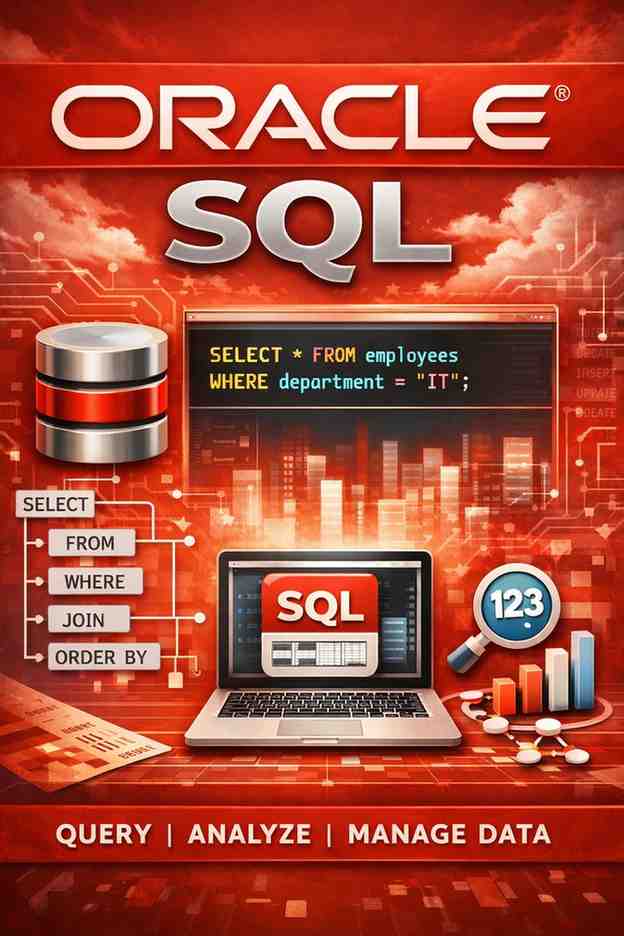
Oracle SQL Over the Old Versions: Why Modern App Development Has Moved Forward For decades, Oracle SQL has been a foundation for enterprise data management. Early versions of Oracle SQL delivered reliability, transactional consistency, and strong relational modeling at a time when businesses were just beginning to digitize operations. However, application development has changed dramatically. Today’s apps demand real time performance, scalability, security, and seamless integration with modern architectures. This shift has positioned Oracle SQL in App Development as a far more capable and strategic tool compared to older Oracle SQL versions. This article analyzes how Oracle SQL has evolved, why older versions are no longer sufficient for modern needs, and how current Oracle SQL capabilities directly support application developers and businesses. Limitations of Old Oracle SQL Versions Older Oracle SQL versions were designed for monolithic systems with predictable workloads. While they were stable, they came with several constraints that affect modern app development. Performance tuning required deep manual intervention. Query optimization depended heavily on static execution plans, limited indexing options, and manual hints. This slowed down development cycles and increased dependency on database administrators. Scalability was another concern. Earlier versions were optimized for vertical scaling, meaning applications needed more powerful hardware instead of distributed systems. This approach increased costs and reduced flexibility. Integration challenges also existed. Older Oracle SQL versions lacked native support for REST APIs, JSON processing, and event driven architectures. As applications moved toward microservices and cloud native models, these gaps became more visible. Most importantly, development speed suffered. Developers had fewer built in tools for automation, testing, and CI/CD pipelines, making application delivery slower and riskier. Evolution of Oracle SQL for Modern Applications Oracle SQL has undergone significant transformation to align with today’s application development demands. Modern versions are no longer just query engines. They are full application enablement platforms. Performance has improved with adaptive query optimization, automatic indexing, and in memory processing. These features allow applications to handle large datasets with minimal tuning, improving response times for end users. Security is now deeply embedded. Modern Oracle SQL includes fine grained access control, data masking, encryption at rest and in transit, and built in auditing. This makes Oracle SQL in App Development a strong choice for regulated industries like finance, healthcare, and government. Oracle has also embraced hybrid and cloud environments. Developers can build applications that run consistently across on premise, cloud, and multi cloud setups without rewriting SQL logic. Oracle SQL and Modern App Architecture Application architecture today is modular, distributed, and API driven. Modern Oracle SQL supports this shift in several key ways. Native JSON support allows developers to mix relational and semi structured data within the same database. This is essential for mobile apps, web platforms, and SaaS products that rely on flexible data models. REST enabled SQL and database driven APIs reduce the need for heavy middleware. Developers can expose secure endpoints directly from the database, accelerating development and reducing infrastructure complexity. Support for containerization and cloud services means Oracle SQL integrates smoothly with Kubernetes, DevOps pipelines, and serverless architectures. This alignment makes Oracle SQL in App Development more relevant than ever. Business Impact for Customers From a customer perspective, the shift from old Oracle SQL versions to modern implementations delivers measurable benefits. Applications become faster and more reliable. End users experience shorter load times and fewer failures, directly improving satisfaction and retention. Development teams work more efficiently. With automation, modern SQL features, and better tooling, teams release features faster and with fewer defects. Operational costs decrease over time. Although upgrading requires planning, modern Oracle SQL reduces manual maintenance, minimizes downtime, and optimizes resource usage. Security and compliance risks are also lower. Built in controls help businesses meet regulatory requirements without adding external tools or complex custom logic. Why Older Versions Hold Businesses Back Continuing to rely on outdated Oracle SQL versions creates hidden risks. Security patches become limited, integration with modern frameworks becomes difficult, and performance tuning consumes valuable engineering time. More importantly, older systems limit innovation. When databases cannot support modern app requirements, businesses struggle to launch new digital services or scale existing ones. Modern Oracle SQL removes these barriers and allows organizations to focus on growth rather than infrastructure limitations. Conclusion The evolution of Oracle SQL reflects the broader shift in application development from static, database centric systems to dynamic, customer driven platforms. While older versions served their purpose in the past, they are no longer suited for today’s performance, scalability, and integration needs. By adopting Oracle SQL in App Development, businesses empower developers, improve customer experiences, and build applications that are ready for the future.
PostgreSQL Over the Old Versions: Why Modern Businesses Are Moving Forward
PostgreSQL Over the Old Versions: Why Modern Businesses Are Moving Forward Database technology has evolved rapidly over the past decade. Businesses today expect more than basic data storage. They need performance, reliability, scalability, and long-term flexibility. This shift has pushed many organizations to rethink legacy database versions and adopt modern PostgreSQL releases. For companies planning serious PostgreSQL in App Development, understanding why newer PostgreSQL versions outperform older ones is critical to making the right technical and business decisions. The Limitations of Older PostgreSQL Versions Older PostgreSQL versions were reliable for their time, but they were built for a very different application landscape. Monolithic systems, low concurrency, and limited real time processing were common. As applications grew more complex, these versions began to show constraints. Performance tuning required manual effort. Indexing options were limited. Query planners were less intelligent, leading to slower execution for complex joins and large datasets. Security features were also basic, making compliance and data protection harder for regulated industries. For modern businesses, these limitations translate into higher maintenance costs, slower development cycles, and reduced user satisfaction. This is where newer PostgreSQL versions deliver clear advantages. Performance Improvements in Modern PostgreSQL One of the strongest reasons to move away from old versions is performance. Newer PostgreSQL releases include significant enhancements to query planning, parallel processing, and indexing. Parallel query execution allows PostgreSQL to utilize multiple CPU cores efficiently. This drastically reduces response time for analytics heavy workloads. Improvements in vacuuming and auto maintenance reduce table bloat and keep databases responsive without constant manual intervention. For organizations focused on PostgreSQL in App Development, these improvements mean faster applications, smoother user experiences, and lower infrastructure costs over time. Advanced Indexing and Data Handling Modern PostgreSQL versions support advanced indexing methods such as BRIN, GIN, and GIST. These are particularly useful for large datasets, geospatial data, and full text search. Older versions either lacked these options or implemented them in a limited form. JSON and JSONB support are another game changer. While older versions offered basic JSON handling, modern PostgreSQL treats semi structured data as a first-class citizen. This allows developers to build flexible data models without sacrificing performance. This capability is especially valuable for startups and enterprises building evolving products where data structures change frequently. Security and Compliance Enhancements Security expectations have changed significantly. Newer PostgreSQL versions include stronger authentication mechanisms, improved role management, and better encryption support. Features such as row level security allow businesses to control data access at a granular level directly within the database. This reduces application complexity and minimizes the risk of data leaks. For customer facing platforms, these improvements help build trust while simplifying compliance with regulations like GDPR and industry specific standards. Developer Productivity and Ecosystem Growth Modern PostgreSQL releases are designed with developers in mind. Improved error messages, better monitoring views, and enhanced tooling make development and debugging faster. Extensions such as Post GIS, Timescale DB, and logical replication tools are more stable and powerful on newer versions. This rich ecosystem enables teams to add advanced functionality without reinventing the wheel. When teams invest in PostgreSQL in App Development, they benefit from faster release cycles, easier maintenance, and long-term scalability. High Availability and Scalability Older PostgreSQL versions required complex setups for replication and failover. Modern versions offer built in logical replication, improved streaming replication, and better integration with cloud platforms. This makes it easier to design systems that scale horizontally and recover quickly from failures. Businesses running mission critical applications gain higher uptime and predictable performance even during peak loads. For growing companies, this flexibility supports expansion without major architectural rewrites. Cost Efficiency and Long-Term Value PostgreSQL remains open source, but newer versions deliver better return on investment. Improved performance reduces hardware requirements. Automation features reduce administrative overhead. Enhanced stability lowers the risk of downtime. Instead of spending time and money maintaining outdated systems, businesses can focus on innovation and customer experience. This strategic advantage becomes more pronounced as applications grow in complexity. Conclusion Choosing modern PostgreSQL over older versions is not just a technical upgrade, it is a business decision. Enhanced performance, security, scalability, and developer productivity directly impact customer satisfaction and operational efficiency. For organizations investing in PostgreSQL in App Development, upgrading to newer PostgreSQL versions ensures a future ready foundation that supports growth, innovation, and long-term success.
MySQL Over the Old Versions: Why It Still Matters in Modern Development
MySQL Over the Old Versions: Why It Still Matters in Modern Development In the fast-moving world of databases, many teams assume that older technologies automatically lose relevance. MySQL proves otherwise. Even as newer database engines and cloud native solutions gain attention, MySQL continues to power millions of applications worldwide. When comparing modern MySQL releases with older versions, the evolution clearly shows why MySQL remains a practical and reliable choice for scalable software systems and why MySQL in App Development is still in strong demand. Understanding the Evolution of MySQL Earlier versions of MySQL were designed primarily for speed and simplicity. They worked well for basic read heavy applications but lacked advanced transactional support, strong security controls, and performance optimization tools. Over time, MySQL has undergone major architectural improvements without sacrificing its core strengths. Modern MySQL versions build upon the stability of older releases while introducing features that directly address today’s application needs. This evolution allows businesses to upgrade confidently rather than rewrite systems from scratch. Performance Improvements Over Old Versions One of the most noticeable differences between older and newer MySQL versions is performance optimization. Early MySQL versions struggled with high concurrency and complex queries. Modern releases introduce smarter query planners, improved indexing strategies, and better memory utilization. These enhancements directly benefit MySQL in App Development by reducing response times and improving application scalability. For customer facing applications, faster queries translate into smoother user experiences and higher engagement. Stronger Security and Compliance Security was once a weak point in older MySQL versions. Basic authentication methods and limited encryption options made systems more vulnerable. Today, MySQL offers robust security features such as role-based access control, improved password policies, encrypted connections, and better audit logging. For businesses handling sensitive customer data, these improvements are critical. Modern MySQL allows development teams to meet compliance requirements without relying heavily on external security layers. This makes MySQL in App Development a safer choice for industries like finance, healthcare, and e commerce. Advanced Storage Engines and Reliability Older MySQL versions relied heavily on My ISAM, which lacked transactional support and crash recovery. The introduction and maturation of Inno DB changed everything. Inno DB now serves as the default storage engine, offering ACID compliance, row level locking, and automatic recovery. This shift significantly improves reliability. Applications built on newer MySQL versions experience fewer data corruption issues and better uptime. For customers, this means higher trust in the systems they interact with daily. Scalability for Modern Applications Scalability was once a challenge for MySQL, especially in distributed environments. Modern versions address this through replication improvements, clustering options, and better support for horizontal scaling. These capabilities allow businesses to start small and grow without changing their database foundation. From startups to enterprise platforms, modern MySQL supports evolving traffic demands while keeping operational complexity manageable. Developer Productivity and Ecosystem Support Another advantage over older versions is the enhanced developer experience. Modern MySQL offers better tooling, improved error handling, and deeper integration with popular frameworks and cloud platforms. This matters because development speed directly impacts time to market. Teams working on modern MySQL in App Development projects benefit from a mature ecosystem, extensive documentation, and long-term community support. This reduces development risk and lowers maintenance costs over time. Cost Efficiency and Long-Term Value Unlike many newer database solutions that introduce licensing complexity or high operational costs, MySQL maintains a strong balance between open-source flexibility and enterprise grade features. Businesses upgrading from older versions often see performance and security gains without a proportional increase in cost. For customers, this translates into stable pricing, predictable scaling, and long-term value. MySQL allows organizations to focus on delivering features instead of constantly re-evaluating their database stack. Conclusion MySQL’s journey from its older versions to today’s modern releases highlights a rare balance of stability, performance, and continuous improvement. Instead of becoming obsolete, MySQL has adapted to modern development demands while preserving backward compatibility and operational simplicity. For businesses seeking a proven, secure, and scalable database foundation, MySQL in App Development remains a smart and future ready choice.