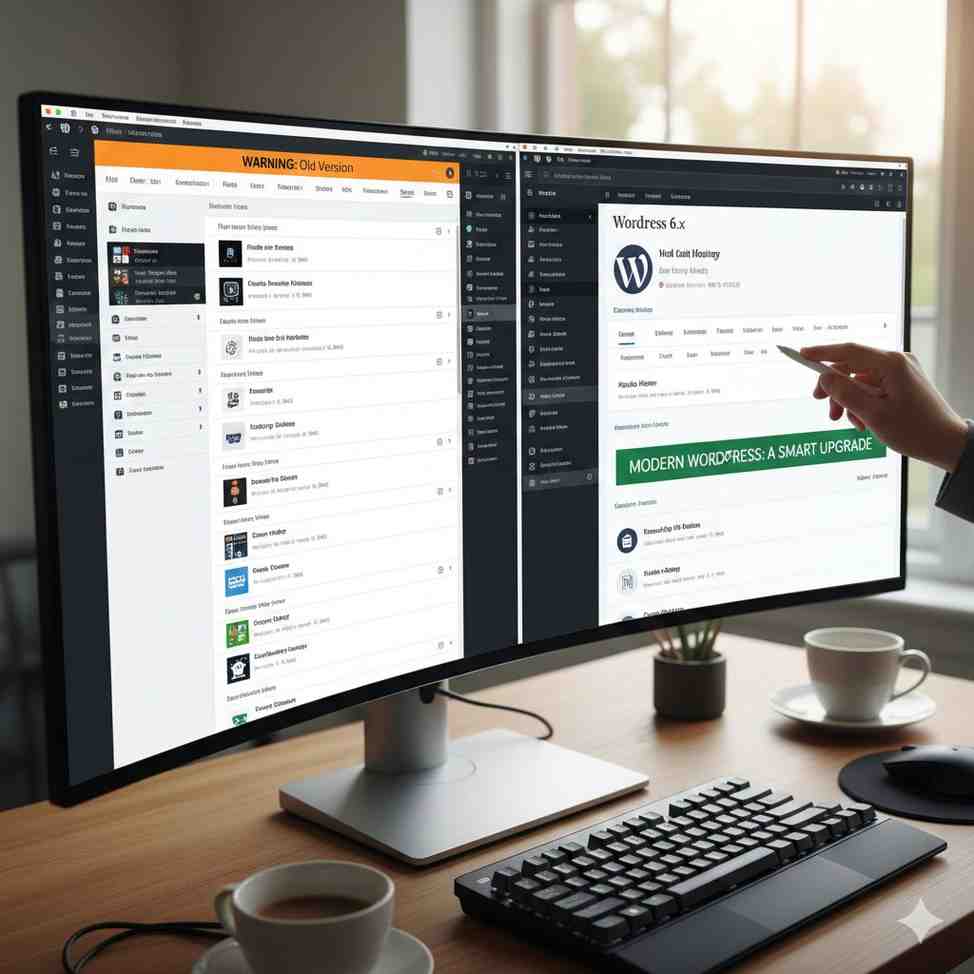
Why Modern WordPress Is a Smart Upgrade Over Older Versions WordPress has come a long way from being a simple blogging platform. Over the years, it has evolved into a powerful content management system that supports complex business websites, eCommerce platforms, and scalable web applications. For businesses still relying on older versions, upgrading is no longer optional. It is a strategic move that directly impacts performance, security, and growth. This article explains why modern WordPress clearly outperforms older versions and how WordPress Web Development has become a preferred choice for forward thinking businesses. Improved Performance and Speed Optimization One of the biggest limitations of older WordPress versions was slow loading speed. Earlier architectures relied heavily on basic PHP execution and limited caching support. Modern WordPress versions are built with performance in mind. Core updates now include better database queries, optimized scripts, and compatibility with advanced caching mechanisms. With support for lazy loading, optimized image handling, and modern hosting environments, websites built using the latest WordPress Web Development standards load faster and deliver smoother user experiences. This directly improves engagement, reduces bounce rates, and supports better search engine rankings. Stronger Security and Regular Updates Security vulnerabilities were a major concern in older WordPress versions. Many outdated installations lack protection against modern threats such as malware injections, brute force attacks, and data breaches. Modern WordPress releases prioritize security at the core level. Today, WordPress benefits from frequent updates, improved password hashing, REST API security, and better role management. Businesses using updated WordPress Web Development practices can also integrate advanced security plugins, firewalls, and SSL configurations with ease. This ensures customer data safety and compliance with global standards. Advanced Customization and Block Based Editing Older versions relied heavily on short codes and rigid page structures, making customization time consuming and developer dependent. The introduction of the Gutenberg block editor has transformed how content is created and managed. Modern WordPress allows users to build layouts visually using reusable blocks, custom patterns, and dynamic content elements. For businesses, this means faster updates, better control over branding, and reduced dependency on technical teams. Through professional WordPress Web Development, companies can create fully customized websites that are both flexible and future ready. Better Mobile Responsiveness and Accessibility In older versions, mobile responsiveness often depended on external themes or manual coding. Modern WordPress standards emphasize mobile first design and accessibility compliance. New themes and frameworks are optimized for all screen sizes and follow WCAG accessibility guidelines. This ensures that websites are usable by a wider audience, including users with disabilities. Businesses adopting updated WordPress Web Development benefit from improved user reach and inclusive digital experiences. Seamless Plugin and Integration Support Outdated WordPress installations often struggle with plugin compatibility issues. Many modern plugins no longer support older versions, limiting functionality and innovation. The latest WordPress versions support advanced APIs, headless architecture, and seamless integration with CRM tools, payment gateways, marketing platforms, and analytics systems. This makes it easier for businesses to scale operations, automate workflows, and improve customer engagement through reliable WordPress Web Development solutions. SEO Advantages and Content Optimization Search engine optimization has changed significantly over the years. Older WordPress versions lack structured data support, optimized HTML output, and performance enhancements required for modern SEO. Modern WordPress supports schema markup, clean URLs, optimized metadata, and compatibility with leading SEO plugins. Faster page speed and mobile optimization further enhance search visibility. Businesses that invest in updated WordPress Web Development gain a competitive edge in organic search results and content discoverability. Scalability and Future Readiness Older WordPress versions were not designed to handle high traffic, complex workflows, or enterprise level requirements. Modern WordPress supports scalable hosting, cloud integration, and headless CMS capabilities. This allows businesses to grow without rebuilding their digital infrastructure. Whether launching new services, expanding to new markets, or integrating third party platforms, modern WordPress Web Development provides long term flexibility and stability. Conclusion Upgrading from older WordPress versions is not just a technical improvement. It is a business decision that enhances security, performance, user experience, and growth potential. Modern WordPress empowers businesses with flexibility, scalability, and advanced tools that older versions simply cannot offer. Investing in professional WordPress Web Development ensures your website remains secure, competitive, and aligned with evolving digital expectations.
